


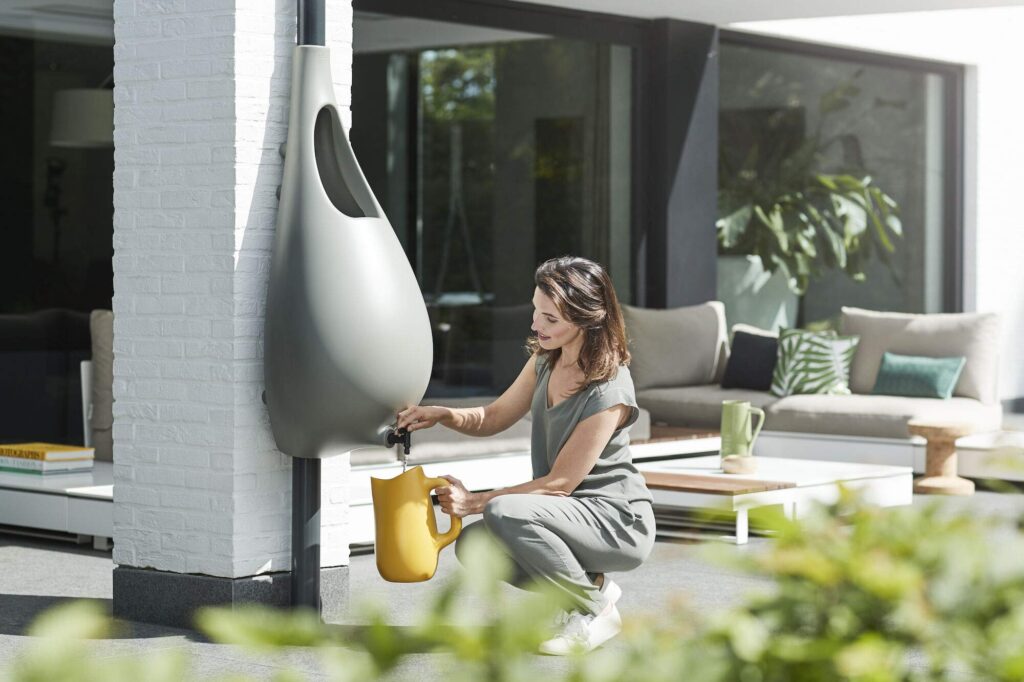
The gardening sector has increasingly benefited from rotomolding technology, a manufacturing technique that combines strength, aesthetics, and versatility in products designed for outdoor areas. Pots, planters, sprinklers, furniture, and garden accessories can be transformed into innovative, durable pieces with high added value thanks to this process. In this article, we will explore the main benefits of rotomolding for the gardening market, its technical advantages, and how it positively impacts both consumers and companies in the sector.
Durability for the Harshest Weather Conditions
Gardening products must withstand extreme weather conditions: direct sun exposure, heavy rain, wind, and even frost. Rotomolding stands out precisely for its ability to produce highly resistant items, maintaining their structural and aesthetic integrity even under adverse conditions.
Pots and planters, for example, made with rotomolded polymers do not crack, do not fade easily, and withstand light impacts without deforming. Garden furniture such as benches and tables can be produced with thicker and multilayer walls, further increasing durability without compromising design.
In addition, rotomolding allows UV and antioxidant additives to be applied directly into the polymer during production, which ensures extra protection against the sun and extends the product’s lifespan.
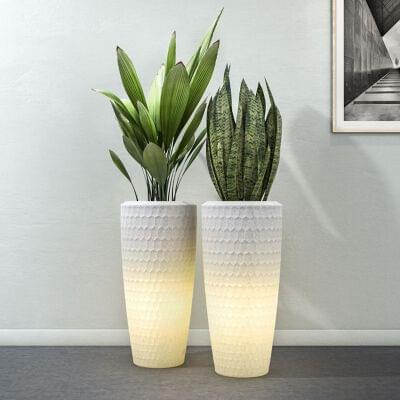
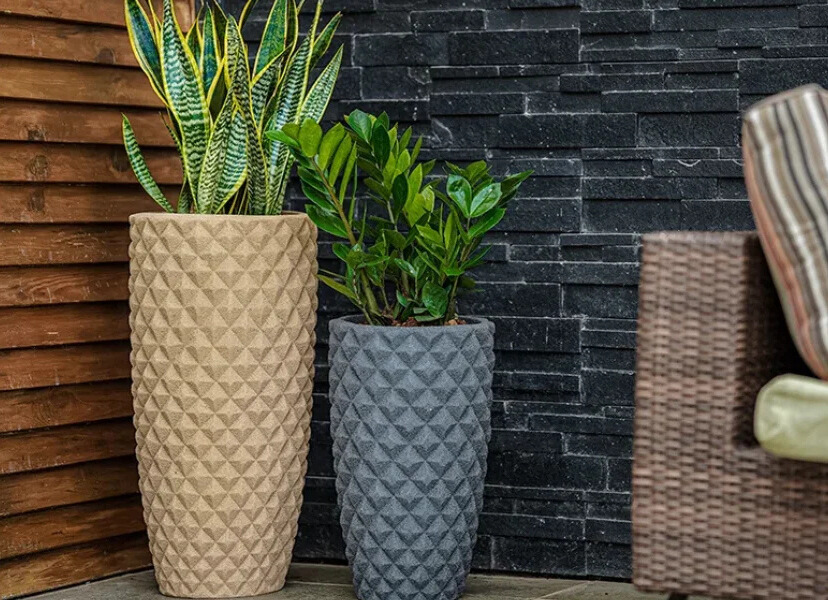
Sereno Planters.
Creative Freedom e Design Inovador
One of the greatest advantages of rotomolding is design freedom. Unlike conventional molding processes, which require cuts and joints, rotomolding allows the creation of complex, smooth, and even three-dimensional shapes, without significant structural limitations.
- Pots and planters: they can feature textures that mimic stone, ceramic, or wood, providing a sophisticated finish.
- Garden furniture: chairs, benches, and tables can feature ergonomic lines and functional details, such as internal compartments or non-slip surfaces.
- Decoration and accessories: plant stands, water fountains, and garden toys can take on bold and customized shapes, attracting consumers who value aesthetic innovation.
This freedom creates opportunities for product designers, allowing each piece to be a combination of beauty, functionality, and durability.
Sustainability and Economy
Another important point is that rotational molding is an economical and sustainable technology.
- Low waste: almost all the material placed in the mold is used, unlike processes that generate significant waste.
- Product versatility: the same machine can be used for different product sizes and variations, optimizing the investment.
- Recyclability: many of the polymers used are recyclable, allowing old products to be reprocessed into new parts.
This makes rotational molding not only a strategic choice from a financial standpoint, but also an environmental one.
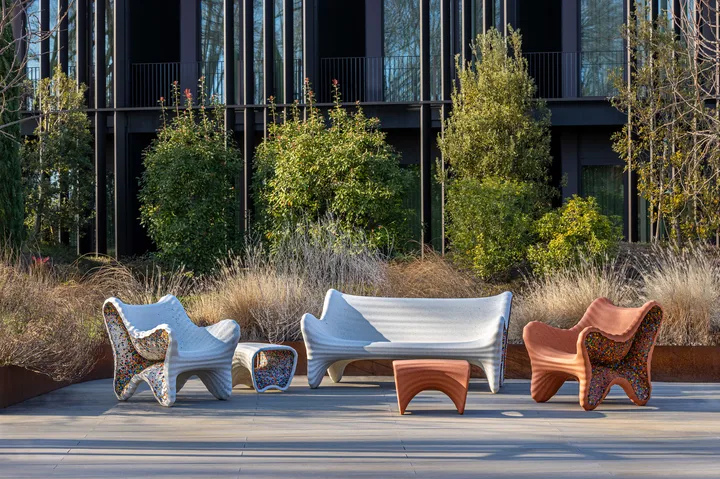
Magis outdoor furniture – collection by Thomas Heatherwick.
Production Efficiency and Superior Finish
In addition to durability and aesthetics, rotational molding is extremely efficient in production. Since the process is carried out in a single, rotating mold, there is no need for welding, joints, or adhesives, which reduces the risk of defects and ensures a uniform, high-quality finish.
Other benefits include:
- Ease of cleaning: products with continuous, burr-free surfaces accumulate less dirt and are more hygienic.
- Multilayer capability: allows combining different properties in a single part, such as external strength and material savings in the inner layer.
- Color flexibility: adding pigments directly to the polymer allows for colored parts or unique patterns without the need for additional painting.
For companies, this means reduced material waste and less rework, increasing operational efficiency.
Benefits for Companies in the Gardening Sector
For manufacturers, rotomolding offers a combination of quality, flexibility, and cost-effectiveness. Relatively inexpensive molds and low material waste allow for:
- Reduction of production cost per unit.
- Agility in launching new products.
- Portfolio diversification without the need for major investments in new equipment.
- Creation of premium products capable of competing in markets that value durability and distinctive design.
This positions gardening companies competitively, allowing them to serve both end consumers and the corporate market, such as hotels, resorts, and condominiums.
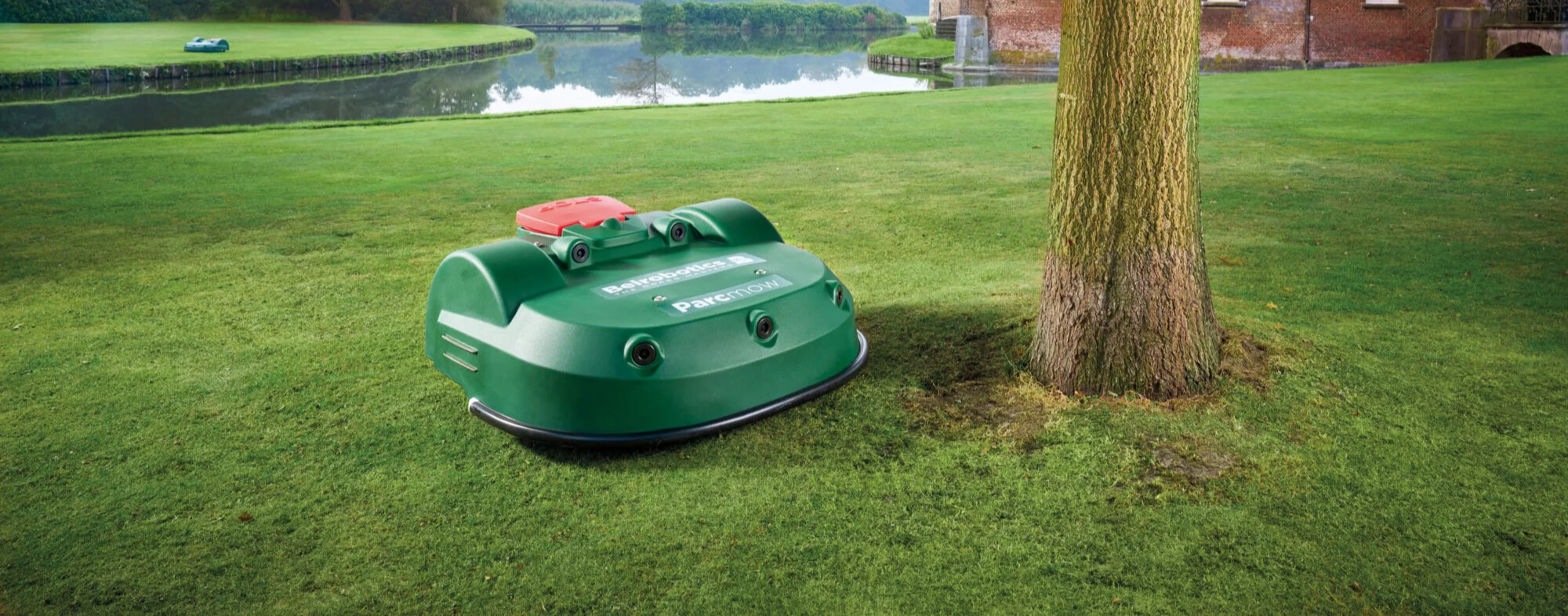
Bigmow Robot Mower
Examples of Applications
Rotomolding is already applied in various gardening products:
- Pots and planters in different shapes and textures.
- Durable and lightweight garden furniture.
- Toys and play structures for outdoor areas.
- Sprinklers and irrigation systems with innovative design.
- Themed décor and garden sculptures.
Each application benefits from impact resistance, durability, and the possibility of aesthetic customization, creating products that combine functionality with beauty.
Conclusion
Rotomolding is not just a manufacturing process — it is a transformative tool for the gardening sector. It enables the creation of products that combine durability, innovative design, efficiency, and sustainability, making each piece a smart investment for both consumers and companies.
Whether in visually impressive pots, functional sprinklers, or furniture that withstands the elements for years, rotomolding technology is the perfect partner for those seeking quality, innovation, and aesthetics in the world of gardening.
One Response
A really good blog and me back again.